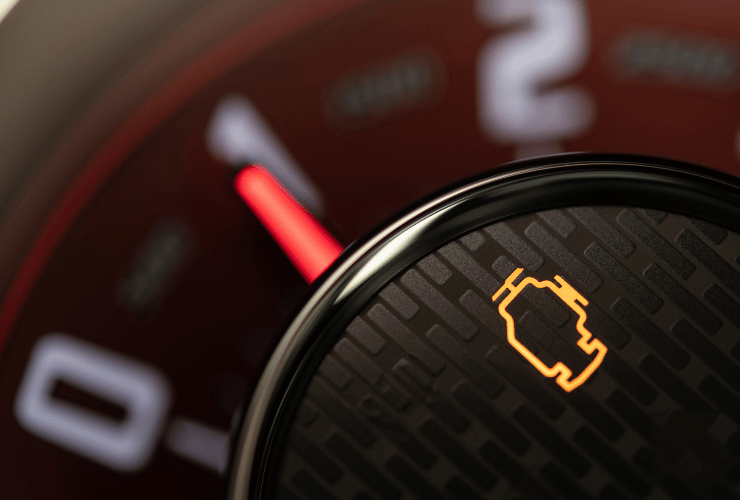
The appearance of a dashboard warning can leave many drivers wondering whether it is safe to continue driving or if immediate attention is necessary. In many cases, delaying check engine light repair allows a minor issue to develop into a more costly mechanical problem. Modern vehicles are equipped with sophisticated onboard diagnostic systems that constantly monitor engine performance, fuel delivery, ignition timing, emissions, and other essential components. When the system detects an abnormal reading, the check engine light serves as an early warning that something requires professional attention.
Rather than ignoring the warning or assuming the issue will resolve itself, scheduling a diagnostic inspection provides the opportunity to identify the root cause before additional damage occurs. Shade Tree Auto understands the importance of accurate diagnostics and timely service to help improve vehicle reliability, maintain fuel efficiency, reduce emissions, and extend the lifespan of essential engine components.
Understanding What the Check Engine Light Means
The check engine light is connected to the vehicle’s onboard diagnostics (OBD-II) system. Hundreds of sensors continuously collect information from various systems throughout the vehicle. When a sensor detects values outside the manufacturer’s acceptable operating range, the computer stores a diagnostic trouble code and activates the dashboard warning.
Contrary to popular belief, the warning light does not always indicate catastrophic engine failure. Sometimes the issue is relatively minor, while other situations require immediate repair.
Common causes include:
- Loose or damaged gas cap
- Worn spark plugs
- Faulty ignition coils
- Oxygen sensor failure
- Mass airflow sensor problems
- Vacuum leaks
- Fuel injector issues
- Catalytic converter concerns
- EVAP system leaks
- Engine sensor malfunctions
Each of these problems affects vehicle performance differently, making accurate diagnostics an essential first step.
Why Prompt Check Engine Light Repair Saves Money
Ignoring dashboard warnings often leads to larger repair bills over time. A small sensor malfunction can gradually affect engine performance, forcing other components to work harder than intended. This additional strain increases wear and raises the likelihood of multiple system failures.
For example, a faulty oxygen sensor may cause the engine to burn more fuel than necessary. Over time, this rich fuel mixture can damage the catalytic converter, turning an inexpensive repair into a significantly larger expense.
Addressing problems early provides several advantages:
- Prevents unnecessary damage to engine components
- Improves fuel economy
- Reduces harmful emissions
- Restores smooth engine performance
- Minimizes unexpected breakdowns
- Helps maintain vehicle value
Early diagnosis also reduces the chance of roadside emergencies that interrupt daily schedules.
Common Symptoms That Accompany the Warning Light
The check engine light may appear before noticeable driving problems develop. However, many vehicles begin displaying additional symptoms as the underlying issue progresses.
Drivers may notice:
- Rough idling
- Engine hesitation
- Poor acceleration
- Reduced fuel efficiency
- Hard starting
- Engine misfires
- Unusual engine vibrations
- Strong fuel odor
- Increased exhaust emissions
Recognizing these warning signs and seeking professional service promptly helps prevent additional mechanical complications.
Flashing vs. Steady Check Engine Light
Not every dashboard warning carries the same level of urgency.
A steady check engine light generally indicates that the vehicle can still be driven carefully while scheduling a repair appointment soon.
A flashing check engine light, however, usually signals an active engine misfire capable of damaging the catalytic converter within a short period. Continuing to drive under these conditions increases the risk of severe engine damage and expensive repairs.
Whenever the light flashes, limiting vehicle operation until professional inspection is completed is the safest decision.
How Professional Diagnostics Identify the Real Problem
One of the biggest misconceptions surrounding check engine warnings is assuming the stored diagnostic code identifies the failed part. In reality, the code simply identifies the system experiencing abnormal readings.
Professional technicians combine diagnostic equipment with experience to determine the actual cause.
A comprehensive inspection generally includes:
- Retrieving diagnostic trouble codes.
- Reviewing live sensor data.
- Inspecting electrical connections.
- Testing sensors and related components.
- Checking fuel and ignition systems.
- Performing visual inspections.
- Confirming repairs through additional testing.
This systematic process avoids unnecessary parts replacement while ensuring repairs solve the actual problem rather than only addressing symptoms.
The Importance of Preventive Maintenance
Many check engine light problems can be reduced through routine maintenance. Components naturally wear over time, and replacing them according to manufacturer recommendations helps prevent unexpected failures.
Important maintenance services include:
- Engine oil changes
- Air filter replacement
- Spark plug replacement
- Fuel system cleaning
- Cooling system inspection
- Battery testing
- Belt inspections
- Fluid level checks
Preventive maintenance not only improves reliability but also supports better engine efficiency throughout the vehicle’s lifespan.
How Driving Habits Affect Engine Health
Daily driving habits have a direct impact on engine performance and long-term reliability. Aggressive acceleration, sudden braking, frequent short trips, and ignoring scheduled maintenance can all increase wear on essential components.
Healthier driving practices include:
- Allowing the engine to reach operating temperature before demanding heavy acceleration.
- Maintaining consistent speeds whenever possible.
- Avoiding rapid acceleration and hard braking.
- Using quality fuel appropriate for the vehicle.
- Paying attention to unusual sounds or vibrations.
These habits contribute to smoother engine operation and reduce unnecessary stress on critical systems.
Why Accurate Repairs Matter
Replacing parts without proper testing often fails to resolve the underlying issue. Modern vehicles contain numerous interconnected systems, meaning one malfunction can trigger multiple diagnostic codes.
Experienced technicians evaluate the complete system before recommending repairs. This approach reduces repeat visits, improves repair accuracy, and restores confidence in vehicle reliability.
Professional diagnostics also help identify developing issues before they become more serious, allowing owners to plan maintenance proactively.
Choosing a Trusted Repair Facility
Selecting an experienced repair facility plays an important role in receiving dependable diagnostic services. Shops equipped with advanced diagnostic technology can identify complex problems more efficiently than relying solely on basic code readers.
When evaluating an automotive repair provider, consider:
- Certified technicians
- Modern diagnostic equipment
- Clear explanations of repair recommendations
- Transparent estimates
- Quality replacement parts
- Positive customer reputation
- Commitment to preventive maintenance
A trusted repair facility focuses on solving the problem correctly rather than simply clearing warning codes.
Professional Service from Shade Tree Auto
When dashboard warning lights appear, accurate diagnosis is the key to dependable repairs. Shade Tree Auto provides professional diagnostic inspections designed to identify the source of engine concerns with precision. Thorough testing, experienced technicians, and quality repair practices help restore vehicle performance while reducing the likelihood of recurring issues.
Whether the warning involves emissions, ignition components, fuel delivery, or engine sensors, addressing the problem promptly helps protect the overall health of the vehicle and supports safer, more reliable driving.
Conclusion
A dashboard warning should never be viewed as something to ignore. Prompt check engine light repair allows small issues to be identified before they develop into expensive mechanical failures. Accurate diagnostics, professional repairs, and consistent preventive maintenance all contribute to better engine performance, improved fuel efficiency, lower emissions, and greater long-term reliability.
Drivers who respond quickly to warning lights often save money, avoid unexpected breakdowns, and enjoy greater peace of mind on every trip. With experienced diagnostic services from Shade Tree Auto, vehicle owners can confidently address engine concerns and keep their vehicles operating at their best for years to come.