
Compact electric vehicles are designed around a different set of priorities from many traditional performance cars. Urban manoeuvrability, efficient use of space, ease of parking, and everyday convenience often matter as much as appearance. For owners who want to personalize an electric city car, exterior upgrades can provide a way to create a distinctive look while retaining the vehicle’s practical character.
The most successful modifications respect the original design and account for the particular needs of an electric vehicle.
Understanding the Design of a Compact Electric Car
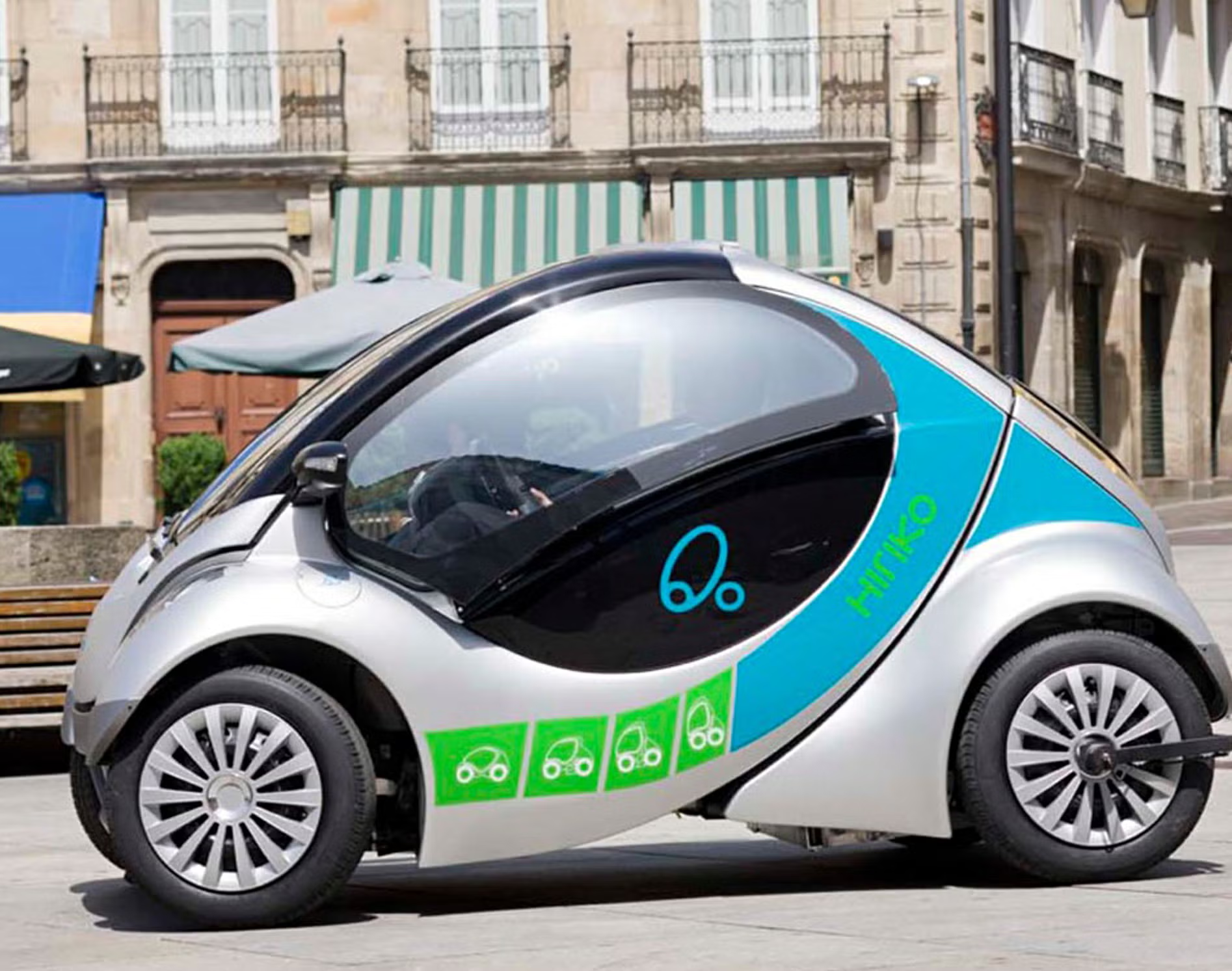
Compact electric vehicles often use short overhangs, distinctive lighting, and carefully arranged body panels to make the most of limited space. Their styling may differ from conventional petrol-powered vehicles because the platform and packaging requirements are different.
Before choosing an exterior upgrade, identify the vehicle’s generation, model year, trim, and factory equipment. Small changes in body design can affect panel dimensions, mounting points, and the fitment of aftermarket accessories.
The vehicle’s intended use should also guide decisions. A car used mainly for city commuting may benefit from understated styling that preserves clearance and ease of parking.
Why Vehicle-Specific Fitment Is Important
A body kit is a collection of exterior components intended to create a coordinated appearance. Depending on the package, it may include bumper additions, side skirts, rear styling parts, or other trim.
However, the phrase “body kit” does not guarantee that every component fits every version of a vehicle. Production updates and trim differences may affect dimensions and attachment points.
Owners should verify the exact application before ordering. Ask which components are included, whether additional hardware is required, and whether installation involves drilling or changes to factory panels.
Understanding an Aerodynamic Kit for a Compact BMW
The BMW i3 body kit is an example of a vehicle-specific styling category. Buyers should check the exact package contents and compatibility information rather than assuming that every kit includes the same components.
For an electric city car, modifications should be evaluated with practical use in mind. Lower body extensions may affect clearance, while changes around the front or rear can alter the original visual proportions.
Claims about improved range or aerodynamic efficiency should be treated cautiously unless supported by testing relevant to the exact vehicle and kit. A sportier appearance does not automatically translate into measurable efficiency gains.
Selecting Materials for an Electric Vehicle Body Kit
Aftermarket body components may be manufactured from ABS plastic, fiberglass, carbon fiber composites, or other materials. Each option offers a different balance of weight, flexibility, finish, cost, and repairability.
For urban driving, impact exposure and clearance can be especially relevant. A rigid, low-mounted component may be more vulnerable to damage from kerbs and steep parking ramps than a design with greater flexibility or ground clearance.
The right material depends on the part’s shape, construction, mounting arrangement, and expected use. Buyers should request reliable product specifications rather than selecting purely by appearance.
Considering Clearance and Parking
Compact vehicles are often chosen because they are easy to manoeuvre in tight spaces. Exterior additions should not undermine that advantage.
Before selecting lower-body components, consider steep driveways, speed bumps, underground parking ramps, and the height of kerbs commonly encountered. A body kit that extends below the original bumper may increase the risk of scraping.
Measure the vehicle’s clearance after installation and account for passenger or cargo weight where relevant. The owner should also verify that the new dimensions do not interfere with parking sensors or other equipment.
Installation and Electrical-System Awareness
Many exterior styling components can be installed without changes to the high-voltage electrical system, but the installer should still understand the vehicle’s layout. Electric vehicles may contain electrical wiring, sensors, cooling components, and other equipment behind body panels.
Before drilling or cutting, the location of nearby systems should be checked. Never assume that an area behind an exterior panel is empty.
Where the installation involves complex disassembly, sensor relocation, or modifications near electrical equipment, a qualified technician familiar with the vehicle is advisable.
The finished component should align correctly, remain secure, and preserve the operation of lights, cameras, sensors, and access panels.
Evaluating the Total Cost
The cost of a body kit extends beyond the purchase price. Shipping, installation labour, painting, surface preparation, mounting hardware, and any necessary adjustments can all contribute to the total.
Ask for a clear list of included components and clarify whether the product arrives finished or requires additional work.
A lower-priced package may not represent better value if it needs substantial modification to achieve proper fitment. A more accurate comparison considers the total cost of obtaining a satisfactory result.
Maintaining the Vehicle After Modification
After installation, inspect the mounting points and exterior finish periodically. Urban driving can expose lower body components to kerbs, road debris, and frequent parking manoeuvres.
Clean the components using products suitable for their material and finish. Check for cracks, loose hardware, or changes in alignment after contact with an obstacle.
Owners should also ensure that the modifications do not interfere with routine maintenance or access to charging-related equipment. Any concerns about the vehicle’s electrical systems should be assessed by a qualified professional.
Frequently Asked Questions
1. Can a body kit be fitted to any version of a compact electric car?
Not necessarily. Compatibility can depend on the model year, trim, body design, and included factory equipment. Confirm the exact application before ordering.
2. Will an aerodynamic kit increase electric driving range?
That cannot be assumed. The effect depends on the kit’s design and the vehicle’s operating conditions. Reliable testing is needed to establish any range benefit.
3. Should an electric vehicle owner use a specialist installer?
A specialist is particularly useful when installation involves sensor changes, complex disassembly, or areas near electrical equipment. Simpler cosmetic components may have less demanding requirements, depending on the product.
Conclusion
Personalizing a compact electric car can improve its visual character when modifications respect the vehicle’s original proportions and practical purpose. Exact fitment, material selection, clearance, installation quality, and compatibility with vehicle equipment should guide the decision. A carefully chosen body kit can create a coordinated appearance while preserving the everyday convenience that makes a compact electric vehicle useful.