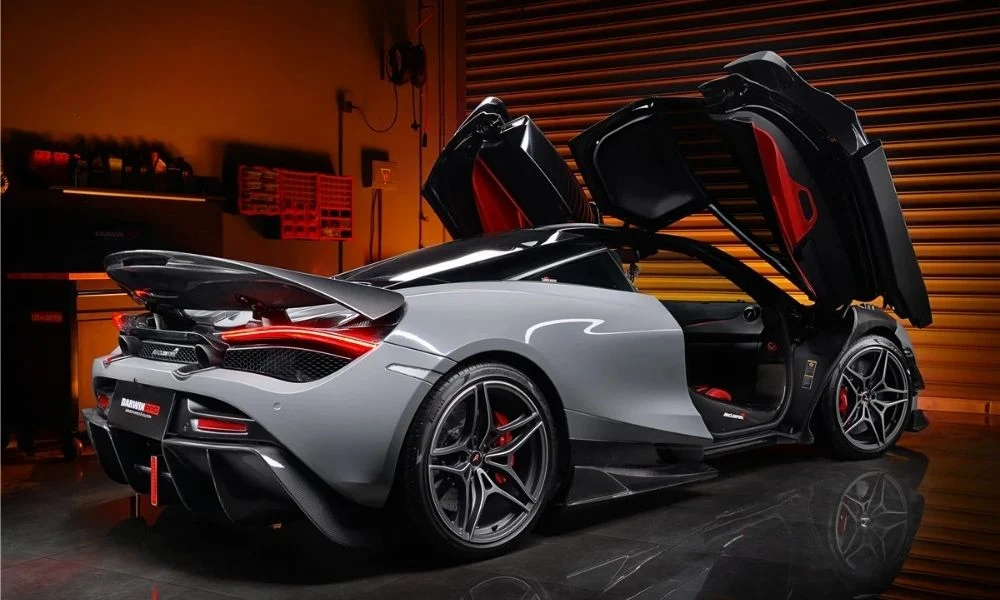
Luxury sports cars combine distinctive design with carefully developed body proportions. Owners who want to personalize their vehicles often consider exterior upgrades that enhance the original shape while introducing a more individual appearance.
Selecting the right components involves more than choosing an attractive design. Fitment, materials, installation, and long-term maintenance all influence the quality of the finished result.
Start With the Vehicle’s Design
Before shopping for accessories, assess the vehicle’s existing exterior. Pay attention to the front bumper, hood, wheel arches, side panels, and rear profile.
These elements create the visual balance of the car. An upgrade should complement that balance rather than make one area appear disconnected from the rest.
Establish Your Priorities
Decide whether the goal is a subtle factory-inspired appearance or a more aggressive custom look.
For a subtle project, a small number of carefully chosen components may be sufficient. A more extensive build might require coordinated front, side, and rear styling.
Prioritizing the desired result helps prevent unnecessary spending and makes it easier to select components that work together.
Understanding Exterior Styling Components
Body styling products may include front lips, bumper extensions, side skirts, rear diffusers, spoilers, and decorative trim.
Each component changes the vehicle’s appearance in a different way.
Front-End Components
Front lips and bumper extensions can make the front of the car appear lower and more defined. Their shape should complement the original bumper and provide appropriate ground clearance.
Before choosing a low-profile design, consider speed bumps, steep driveways, and uneven road surfaces.
Side and Rear Components
Side skirts can visually connect the front and rear of the vehicle. Rear extensions and spoilers can emphasize the back end and create a more distinctive silhouette.
Consider the whole vehicle when selecting these parts. A design that looks impressive in isolation may not match the proportions or styling of the other components.
Selecting Materials
Exterior accessories may be manufactured from ABS plastic, fiberglass, polyurethane, or fiber-reinforced composites.
ABS plastic supports a variety of molded shapes and finishes. Fiberglass is useful for customized designs, although finishing may require additional work. Polyurethane can offer flexibility in appropriate applications.
Carbon fiber composites are popular for their woven appearance and potential weight advantages, but their properties depend on construction and manufacturing quality.
Understand the Product Description
A carbon-look finish does not necessarily mean that a component is made from genuine carbon fiber. Some products use films, coatings, or printed patterns.
Ask the supplier to confirm the material and intended use. For functional parts, check whether the product has been developed for the relevant application rather than relying on appearance alone.
Confirming Compatibility Before Purchase
Vehicle-specific components can differ between generations and configurations. Changes to bumper shape, mounting points, lighting, and factory equipment may affect fitment.
Identify the exact model, model year, and body configuration before ordering.
Review the Package Contents
If you are considering an Audi R8 body kit verify the intended model and generation and ask for a complete list of included parts.
Check whether the package contains front, side, and rear components or only selected pieces. Confirm whether additional brackets, fasteners, paintwork, or installation services are required.
Product photographs may show optional accessories that are not included in the advertised package, so an itemized description is important.
Planning the Installation
Inspect all components before beginning work. Check for cracks, surface defects, shipping damage, and missing hardware.
Where possible, test-fit each part before painting or making permanent changes. Verify the alignment on both sides and check that the component sits correctly against the surrounding bodywork.
Avoid Forced Fitment
If mounting points do not align, stop and confirm compatibility. Forcing a part into position can damage the component or vehicle and may create unreliable attachment points.
Follow the supplied instructions for drilling, fastening, and adhesive use. Before drilling, check for wiring, sensors, reinforcement structures, and other hidden equipment.
Professional installation is recommended when the work involves complex body modifications, paint matching, or precise panel alignment.
Protecting Vehicle Functionality
Exterior upgrades should not interfere with lighting, cameras, sensors, tires, doors, or other vehicle systems.
Low-mounted accessories may reduce ground clearance. Wide extensions can also affect the vehicle’s overall dimensions and may be more vulnerable in tight spaces.
Review relevant road-use regulations if a modification changes the vehicle’s dimensions or required equipment.
Remember that a component with a sporty appearance does not automatically improve aerodynamic performance. Any performance claim should be supported by suitable engineering information.
Planning the Project Budget
The cost of an exterior upgrade may include the parts, shipping, paintwork, installation labor, additional hardware, and any necessary adjustments.
Request an itemized estimate before committing to the project. This makes it easier to compare alternatives and understand which services are included.
A staged approach can spread costs over time, provided each stage is planned to maintain a consistent overall design.
Maintaining the Finished Exterior
Regular cleaning helps preserve painted and composite surfaces. Use products suitable for the component’s finish and avoid abrasive materials that may cause scratches.
Inspect attachment points periodically for loose hardware, cracks, and movement. Repair damage promptly to prevent further deterioration.
Keep records of installed components and retain original parts when practical. These can be useful for servicing, future changes, or resale.
Frequently Asked Questions
1. Does an exterior kit automatically improve performance?
No. Many kits are primarily intended for styling. Aerodynamic benefits depend on the design, installation, and testing under relevant conditions.
2. Should I install all exterior parts at once?
Not necessarily. A staged project can help manage the budget and allow you to assess how individual components affect the overall appearance.
3. How can I reduce the risk of buying an incompatible kit?
Provide the supplier with the exact vehicle model, generation, year, and body configuration. Request confirmation of fitment and review the installation requirements before purchasing.
Conclusion
Exterior styling can make a luxury sports car more personal when the selected components complement the original design. Careful fitment checks, appropriate materials, professional installation where needed, and attention to safety help produce a refined result. By planning the entire project rather than focusing on individual accessories, owners can achieve a cohesive appearance that remains practical for their intended use.