
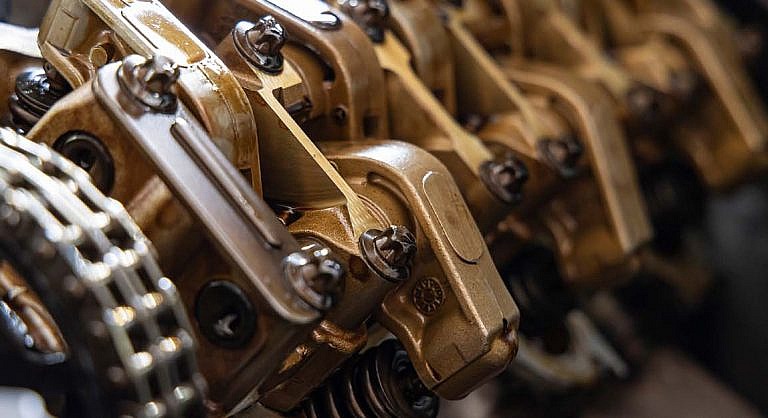
A light engine tick can sound harmless until the car starts feeling lazy under your right foot. Many drivers first notice collapsed lifter symptoms during a cold start, at a drive-thru, or while merging onto a U.S. highway where weak acceleration is hard to ignore. The sound may rise with rpm, settle for a moment, then return once the oil thins out. That pattern tells you the problem is not random noise. It often points toward a valvetrain part that can no longer keep proper contact between the camshaft, pushrod, rocker arm, and valve. For drivers trying to understand repair signs before a shop visit, a trusted automotive repair publishing resource can help connect common symptoms with smarter maintenance decisions. A failed lifter does more than annoy your ears. It can change valve timing, reduce cylinder breathing, and make the engine feel older than it is. The sooner you separate lifter trouble from ordinary engine chatter, the better chance you have of avoiding camshaft damage, misfires, and a repair bill that keeps growing.
Collapsed Lifter Symptoms Drivers Should Not Brush Off
The first mistake many owners make is treating lifter noise like background sound. Engines do make mechanical noise, yet a sharp, repeated tick from the upper engine area deserves attention because it often means metal parts are not staying tight against each other. A shop in Ohio or Texas may hear this complaint every week on high-mileage trucks, older V8 SUVs, and neglected commuter cars that missed oil changes.
Lifter Ticking Noise That Changes With RPM
A lifter ticking noise usually follows engine speed because the lifter moves every time the camshaft turns. When you press the gas, the tick speeds up. When the engine drops to idle, the tick slows down. That rhythm separates it from many exhaust leaks, belt noises, or loose heat shields.
The tricky part is that the sound may fade after warm-up. Some drivers take that as good news, but it can mean the oil has thinned enough to flow into the lifter for a short time. A healthy engine should not need a lucky warm-up window to quiet the valvetrain.
A collapsed or sticking lifter may also sound louder near the valve cover than near the bottom of the engine. A technician often uses a mechanic’s stethoscope to narrow down the area. You can listen from outside, but guessing from sound alone can lead you down the wrong road.
Engine Power Loss That Feels Like Drag
Engine power loss from a lifter problem can feel dull rather than dramatic. The car may still start, idle, and drive, but it loses its clean pull during passing or climbing. That happens because the affected valve may not open fully, so the cylinder cannot breathe the way it should.
A bad hydraulic lifter can also create a slight shake at idle. The cylinder tied to that lifter may contribute less power, so the engine feels uneven. This is where many owners assume they need spark plugs, coils, or fuel injector service before anyone checks the valvetrain.
The counterintuitive part is simple: the loudest engine is not always the sickest one. A quiet lifter that stays collapsed can cause stronger performance problems than a noisy lifter that still pumps up enough to move the valve. Noise matters, but power tells its own story.
How Oil Problems Turn A Small Tick Into Real Damage
Oil is not only a lubricant in engines with hydraulic lifters. It also acts like the lifter’s internal support system. When oil pressure drops, oil passages clog, or the wrong viscosity goes into the crankcase, the lifter may stop holding its proper height. That tiny loss of height changes the whole valve event.
Low Oil Pressure And Dirty Passages
Low oil pressure can starve the lifter before other parts show obvious trouble. A dashboard oil light may never come on because the pressure is low enough to hurt lifter function but not low enough to trigger a warning. That gap fools plenty of drivers.
Dirty oil can create the same result in a different way. Sludge and varnish restrict the tiny passages that feed a lifter. Once oil cannot enter or leave correctly, the lifter may stick, bleed down, or fail to pump up after sitting overnight.
A real-world example shows up often in used pickups that spent years doing short trips. The engine may have “normal” mileage, but the oil spent too much time cold and contaminated. Ten-minute grocery runs can be harder on lifters than steady highway miles across Arizona.
Bad Hydraulic Lifter Wear After Delayed Maintenance
A bad hydraulic lifter does not always fail in one dramatic moment. It may spend months bleeding down overnight, ticking after startup, then working well enough to hide the issue. Owners hear it, wait, and hope the next oil change will erase the sound.
Fresh oil can help if the lifter is dirty or slightly sticky. It will not rebuild worn internal parts. Once the lifter face, plunger, or internal check valve wears beyond its limit, the problem returns because the part can no longer hold pressure.
This is why oil additives need caution. Some products may quiet noise for a short stretch, but silence does not prove repair. A thicker additive can mask the tick while the cam lobe keeps wearing against a lifter that no longer rides correctly.
Separating Valvetrain Noise From Other Engine Sounds
Every tick is not a lifter, and that matters because the wrong diagnosis wastes money. Exhaust leaks, fuel injector clicks, spark knock, pulley bearing noise, and timing chain wear can all trick the ear. Good diagnosis starts with pattern, location, temperature, and load, not panic.
Valvetrain Noise Near The Top Of The Engine
Valvetrain noise often comes from the upper engine area and carries a sharper tap than bottom-end noise. It may sound like a small hammer tapping under the valve cover. On pushrod V8 engines, the sound can sit near one cylinder bank, which helps a technician trace it.
Fuel injectors also click near the top of the engine, but they usually make a steady, lighter sound across multiple cylinders. A single harsh tap that stands out from the rest deserves a closer look. That single-note sound can point toward one lifter, one rocker, or one pushrod path.
A shop may remove a valve cover to inspect rocker motion. A weak rocker movement compared with nearby cylinders can reveal where the valve lift has dropped. That visual check often tells more than any driveway guess from a phone video.
When A Tick Is Actually An Exhaust Leak
An exhaust manifold leak can mimic a lifter ticking noise, especially on cold starts. The sound often gets softer as metal expands and seals the leak. That overlap causes plenty of confusion because lifter noise can also quiet down after warm-up.
The difference often appears under load. An exhaust leak may get louder when you accelerate because cylinder pressure pushes more gas through the gap. A lifter tick tends to stay tied closely to rpm and may not change the same way when the engine works harder.
Look for soot marks around the manifold, broken studs, or a ticking sound near the side of the engine rather than the valve cover. On many U.S. trucks, rust and heat cycles make broken manifold bolts common, so ruling that out saves money before ordering valvetrain parts.
Repair Choices, Driving Risk, And Smart Next Steps
A lifter issue sits in that uncomfortable zone between “the car still moves” and “this can get expensive.” Driving for one more day may not destroy the engine, yet ignoring the warning for weeks can turn a repairable part into camshaft, pushrod, rocker, or cylinder head work. The right response depends on noise severity, oil condition, mileage, and how the engine behaves under load.
What A Mechanic Checks Before Replacing Parts
A good technician starts with oil level and condition before blaming hardware. Low oil, wrong viscosity, fuel dilution, or sludge can make a lifter act failed even when it still has life left. That first check may sound too plain, but it prevents careless parts swapping.
Next comes scan data. Misfire codes can show whether one cylinder is underperforming. Compression or leak-down testing may follow if the engine has a rough idle or engine power loss that points beyond simple noise.
Inspection may include valve cover removal, rocker movement checks, pushrod checks on applicable engines, and oil pressure testing. On some engines, lifter replacement requires major teardown. On others, the job is less invasive, but it still demands clean work because debris can ruin new parts fast.
Why Waiting Can Make The Repair Larger
A collapsed lifter can keep the valve from opening fully, but it can also damage parts that depend on correct contact. The cam lobe and lifter face need a controlled wear pattern. Once that pattern breaks, metal shavings may enter the oil and spread through the engine.
That is where small savings turn false. Waiting to avoid a repair bill can create a larger one if the camshaft wears, the rocker arm loosens, or the pushrod bends. The engine may still run while the damage travels quietly through the oil system.
A smart next step is simple: stop treating the sound as a personality trait of an older vehicle. Check oil level, note when the tick appears, avoid hard driving, and schedule diagnosis before long highway trips. That approach protects your wallet better than hope.
Conclusion
Engine noise has a way of making people bargain with themselves. One more commute. One more weekend. One more oil change before calling a shop. That delay feels harmless because the car still runs, but a lifter problem rarely rewards patience. When the sound comes from the valvetrain and the vehicle starts losing pull, the engine is already telling you the valve motion is not right.
The best move is not panic. It is proof. Track when the tick starts, how it changes with rpm, whether the idle shakes, and whether the vehicle feels weaker under load. Those details help a technician separate collapsed lifter symptoms from exhaust leaks, injector noise, and timing issues.
A repaired lifter problem restores more than quiet. It brings back the clean mechanical rhythm an engine needs to breathe, pull, and last. Book a proper diagnosis before the noise becomes the most expensive sound your car ever made.
Frequently Asked Questions
What does a collapsed lifter sound like on startup?
A collapsed lifter often makes a sharp ticking or tapping sound from the upper engine area. The noise may speed up with rpm and fade as oil pressure builds. If it returns often after cold starts, the lifter may be bleeding down or sticking.
Can a collapsed lifter cause loss of power?
Yes, it can reduce valve movement and weaken cylinder breathing. The engine may feel sluggish during passing, climbing, or highway merging. Power loss can also come with rough idle, misfire codes, or poor throttle response.
Is it safe to drive with a bad hydraulic lifter?
Short, gentle driving may get you to a repair shop, but extended driving is risky. A failed lifter can damage the camshaft, pushrod, rocker arm, or related parts. Hard acceleration and long trips raise the chance of a larger repair.
Will an oil change fix lifter ticking noise?
An oil change can help if dirty oil or wrong viscosity caused sticking. It will not repair worn lifter parts, damaged cam lobes, or blocked passages packed with sludge. If the noise returns after fresh oil, diagnosis matters.
How much does lifter replacement cost in the USA?
Cost varies by engine design, labor hours, and parts access. Some repairs stay moderate, while engines that require deep teardown can cost far more. Trucks, performance engines, and some V-style engines often need more labor than small inline engines.
Can low oil cause valvetrain noise?
Low oil can starve hydraulic lifters and create upper-engine ticking. It can also reduce pressure to other moving parts. Check the dipstick before driving farther, especially if the noise appeared after a long trip or overdue service.
How do mechanics diagnose lifter problems?
Mechanics check oil level, oil condition, oil pressure, sound location, scan data, and misfire codes. They may inspect rocker movement under the valve cover. Compression or leak-down testing may follow when power loss or rough idle appears.
What happens if a lifter problem is ignored too long?
Ignored lifter trouble can wear the camshaft, bend pushrods, damage rocker arms, and send metal debris through the oil. The repair can move from one failed part to a much larger engine job. Early diagnosis keeps the damage contained.