
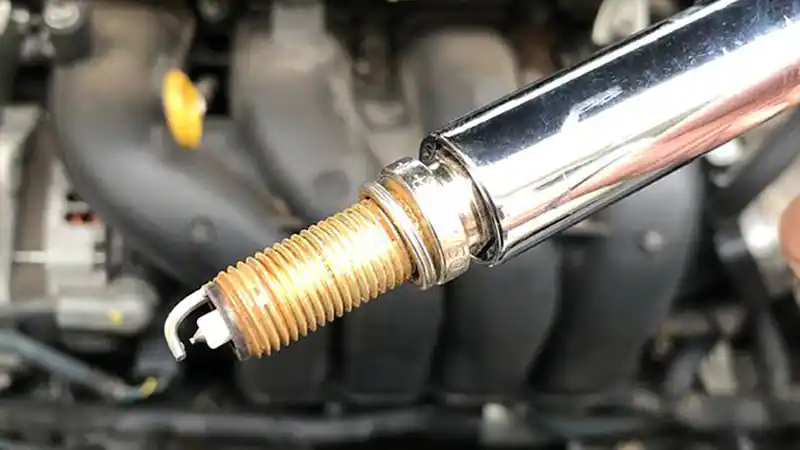
A stuck plug can turn a simple tune-up into the kind of repair that makes your stomach drop. The real danger with spark plug removal is not the time it takes, but the damage one impatient twist can leave behind in an aluminum cylinder head. Across American driveways, repair bays, and weekend garage projects, the same mistake happens again and again: someone feels resistance, leans harder on the ratchet, and hears the crack they were hoping to avoid. That sound can mean broken porcelain, stripped threads, or a plug shell locked deep in the head. A careful approach saves money, avoids towing, and keeps a routine job from becoming a cylinder-head repair. For more practical automotive and repair-focused publishing ideas, trusted vehicle maintenance resources can help readers connect mechanical care with smarter ownership decisions. The goal is simple: loosen the plug without turning force into damage.
Why Spark Plugs Seize in the First Place
A seized plug rarely happens without a history. Heat cycles, moisture, carbon, poor past installation, and mismatched materials all take turns tightening the grip between the plug shell and the cylinder head. That history matters because the right removal method depends on why the plug locked up, not how annoyed you feel once it refuses to move.
Heat Cycles Turn Small Mistakes Into Big Problems
Modern engines run hot, cool down, and repeat that cycle thousands of times. Aluminum heads expand and contract faster than steel plug shells, which means a plug that went in slightly dry, slightly crooked, or slightly over-tightened can become stubborn after years of driving.
This is common on trucks, SUVs, and older commuter cars that see long highway miles. A Ford F-150 used for towing in Texas, for example, may bake plugs under heavy load for years before anyone touches them. By the time the owner tries a tune-up, the plug may feel welded in place.
Heat does not always mean disaster, though. The counterintuitive part is that a warm engine can sometimes help, while a hot engine can hurt. Gentle warmth may expand the head enough to ease tension, but full operating heat can make parts too risky to handle and easier to damage.
Carbon, Moisture, and Old Service Habits Add Resistance
A stuck spark plug often has more going on than tight threads. Carbon can build around the lower plug shell, especially when engines run rich, burn oil, or spend years on short trips. Moisture can also settle around plug wells when boots fail, cowl drains leak, or engines sit outdoors through wet seasons.
Past service habits make the problem worse. A plug installed with an impact tool, the wrong torque, or dirty threads can bite into the head unevenly. That does not always show up right away. It waits until the next person tries to remove it.
Plugs also seize when they stay in place beyond the service interval. Many American drivers stretch maintenance because the engine still starts fine. The problem is that spark plugs can keep working long after the threads have started planning a fight.
Safe Spark Plug Removal Starts Before the First Turn
Good spark plug removal begins before a socket touches the plug. The prep work feels slow, but it is the part that decides whether the plug backs out cleanly or snaps halfway through the job. Force is not the plan. Control is the plan.
Clean the Plug Wells Before Adding Pressure
Dirt around the plug well can fall into the cylinder once the plug comes out. That alone makes cleaning worth the time. Use compressed air, a vacuum, or a small brush to clear grit, leaves, oil crust, and loose debris before you begin.
This step also gives you information. Oil in the well can point to a valve cover gasket issue. Rust around the plug may suggest water intrusion. A cracked ignition coil boot can explain misfires that made the plug run hotter than normal.
A clean well gives your socket full engagement. That matters because a half-seated socket can round the hex or tilt the force. Once the hex gets damaged, the job moves from careful maintenance to extraction work.
Use Penetrating Oil With Patience, Not Hope
Penetrating oil works best when it has time to move. Spray a small amount around the plug base, then let it sit. On a deeply seized plug, several light applications over a few hours can work better than flooding the well once.
The trick is restraint. Too much oil creates smoke later and can make the work area messy enough to hide what is happening. A measured amount gives the threads a chance without turning the engine bay into a spill zone.
Patience here saves threads. A plug that moves a few degrees after soaking is telling you something useful: the bond has started to break. That is the moment to slow down, not celebrate with a full-force pull.
Loosening Techniques That Reduce Breakage Risk
Once the area is clean and the plug has had time to soak, the job becomes a conversation with the metal. You apply pressure, feel the response, and adjust. A seized plug does not reward muscle. It rewards timing, angle, and small movements.
Work the Plug Back and Forth in Small Steps
Start with steady pressure using the correct spark plug socket and a hand ratchet. Keep the extension straight. Side load is one of the quiet ways people crack porcelain or stress threads before they know anything went wrong.
When the plug starts to move, do not remove it in one long turn. Tighten it slightly, then loosen it again. This back-and-forth motion helps break carbon and corrosion into smaller pieces instead of dragging them through the head threads.
A broken spark plug often happens when the shell twists before the lower section lets go. That is why small movement matters. If resistance rises as the plug backs out, stop and add more penetrating oil instead of forcing the last half-inch.
Use Heat Carefully When the Engine Allows It
Some plugs respond better when the engine is warm. Letting the engine run for a short period, then shutting it down before removal, can give the aluminum head a little expansion. That small change may be enough to ease the grip.
This method needs care. Plastic covers, coil packs, wiring, and your hands all dislike heat. Work only when you can touch nearby parts safely, and never rush around hot exhaust components.
Shops often use controlled heat because they know where to apply it and when to stop. In a home garage, the safer version is mild engine warmth, not a torch near fuel lines and wiring. There is no trophy for making the job more dangerous.
What to Do When the Plug Starts to Fight Back
The most valuable skill in this job is knowing when to stop. A plug that squeaks, tightens as it turns, or moves unevenly is warning you. Ignoring that warning can turn a $20 part into a machine-shop conversation.
Stop Before a Broken Spark Plug Becomes Your Problem
A plug that turns hard for more than a few degrees needs a pause. Add penetrating oil, reverse direction, and give it time. If the plug feels springy, gritty, or uneven, the shell may be twisting under stress.
This is where many do-it-yourself repairs go wrong. The plug has moved, so the person assumes the hard part is over. Then the lower shell stays stuck while the upper body gives way.
A broken spark plug can still be removed, but the job changes fast. Extractor tools, guide sleeves, vacuum cleanup, and thread inspection may all come into play. If the plug breaks below the hex, a professional technician may cost less than a damaged head.
Know When Thread Repair Is the Better Outcome
Sometimes the plug comes out with damaged threads attached. That feels like failure, but it can still be managed if the head is not destroyed. A proper spark plug thread repair insert can restore the seat when installed with the right tools and care.
The bad version happens when someone keeps chasing damaged threads with the wrong tap and lets metal shavings fall into the cylinder. That creates a second problem inside the engine. Thread work needs clean cutting, controlled depth, and careful debris removal.
A spark plug thread repair is not a shortcut for poor removal technique. It is a recovery method when the threads have already lost the fight. The best repair is still the one you never need because you stopped before the damage spread.
Preventing the Same Problem During Reinstallation
Getting the plug out safely is only half the job. The next mistake can lock the new plug in place for the next owner, the next mechanic, or you six years from now. Reinstallation deserves the same respect as removal.
Start Every Plug by Hand Before Using a Ratchet
A spark plug should thread in smoothly by hand for several turns. If it does not, stop. Cross-threading starts small, but it can ruin an aluminum head faster than almost any tune-up mistake.
Use a short piece of rubber hose or a magnetic spark plug socket to start the plug straight. The hose trick works because it slips if the plug binds, while a ratchet can hide the problem until damage has already started.
Torque matters more than feel. Many plugs seat with a crush washer, and once that washer compresses, extra turning does not make the seal better. It only loads the threads harder than needed.
Use Anti Seize on Spark Plugs Only When It Makes Sense
The debate around anti seize on spark plugs gets messy because older habits and newer plug coatings collide. Many modern plugs come with plated threads designed to install dry. Adding compound can change torque readings and lead to over-tightening.
That does not mean the product has no place. In certain older engines, marine settings, or rust-prone environments, a tiny amount may help when the plug maker allows it. The key word is tiny. More is not better.
Check the plug manufacturer’s guidance before using anti seize on spark plugs. If the instructions say dry installation, follow them. A clean thread, correct torque, and the right plug usually protect the next service better than a heavy smear of compound.
Conclusion
A seized plug tests your patience before it tests your tools. That is why the smartest repair choice is often the one that looks slow from the outside: clean the well, soak the threads, use steady hand pressure, and stop the second the plug sends back the wrong message. Good spark plug removal is less about strength and more about reading resistance before it turns into damage. For drivers across the United States, especially those keeping older trucks, commuter cars, and family SUVs on the road longer, that skill can save serious money. It can also protect an engine that still has years of life left. The best move is simple: prepare the job like the plug may fight you, even if you hope it will not. Before your next tune-up, gather the right socket, torque specs, penetrating oil, and enough patience to walk away for ten minutes when the metal asks for it.
Frequently Asked Questions
How do you loosen a seized spark plug without breaking it?
Clean the plug well first, apply a small amount of penetrating oil, and let it sit. Use a proper spark plug socket with straight alignment. Work the plug back and forth in small movements instead of forcing one long turn.
Should an engine be hot or cold when removing stuck spark plugs?
A slightly warm engine can help in some cases because aluminum expands faster than steel. Avoid working on a fully hot engine. Excess heat raises burn risk, makes parts harder to handle, and can make rushed mistakes more likely.
What causes spark plugs to get stuck in aluminum heads?
Heat cycles, carbon buildup, moisture, dirty threads, over-tightening, and long service intervals can all lock plugs in place. Aluminum heads are softer than steel plug shells, so thread damage becomes a serious risk when force replaces patience.
Can penetrating oil help remove a stuck spark plug?
Penetrating oil can help when corrosion or carbon is part of the problem. Apply a light amount near the plug base and allow time for it to creep into the threads. Several small applications often work better than one heavy spray.
What happens if a spark plug breaks in the head?
The remaining shell may need an extractor tool, and the cylinder must be protected from debris. Some cases require thread repair after removal. If the broken section sits deep, professional help is safer than guessing with the wrong tool.
Is it safe to use an impact wrench on seized spark plugs?
An impact wrench is a bad choice for seized plugs in most cases. Sudden hammering can crack porcelain, damage the hex, or strip threads. Hand tools give better feel, which matters when the plug starts warning you through resistance.
How much does it cost to fix damaged spark plug threads?
Costs vary by engine layout, labor access, and damage level. A simple insert repair may cost far less than cylinder head removal. Deep damage, broken extractors, or debris in the cylinder can raise the repair bill fast.
How can I prevent spark plugs from seizing again?
Install the correct plugs, start them by hand, follow torque specs, and keep plug wells clean. Replace plugs on schedule instead of waiting years beyond the interval. Check manufacturer guidance before adding any thread compound.