A diesel pickup can look tough in the driveway and still struggle with the easiest drive of the day. The Diesel Particulate Filter was built to trap soot, but it needs heat, time, and steady exhaust flow to clean itself. Short grocery runs, school drop-offs, jobsite hops, and stop-and-go errands rob it of all three. That is why an Isuzu Dmax that feels perfect on open roads can start acting stubborn after weeks of city use. For American owners, import buyers, and diesel fans comparing global pickups through trusted automotive publishing resources, the lesson is simple: this is not only a parts problem. It is a driving-pattern problem. EPA guidance explains that DPFs trap particulate matter and burn it during regeneration, while backpressure rises when soot blocks the filter pores.
The catch is that the truck may not warn you early. Many drivers keep taking the same five-mile routes, then wonder why fuel economy drops, fans run after shutdown, or the dash light appears at the worst time. The Isuzu Dmax DPF does not fail because it dislikes city streets. It fails because city streets rarely let it finish the job it started.
Why the Diesel Particulate Filter Hates Five-Minute Errands
Short driving cycles create the perfect trap. The engine warms slower, the exhaust stays cooler, and the filter keeps collecting soot without getting the steady heat needed for a complete burn. That matters even more in U.S. driving patterns where diesel pickups often handle mixed work: weekday errands, weekend towing, light hauling, and long idle periods outside a shop or ranch gate.
Why short trip diesel issues start before the warning light
Short trip diesel issues often begin quietly. The truck may still start, pull, and idle like normal, so the driver assumes nothing is wrong. Underneath that calm surface, soot loading keeps rising because the engine never spends enough time under the kind of load that supports cleaning.
A ten-minute drive to a hardware store in Denver, followed by another short run home, may not hurt the truck once. Repeat that pattern for a month and the filter receives soot far more often than it receives the right burn conditions. That is the slow grind most owners miss.
Short trip diesel issues also confuse drivers because the worst damage comes from ordinary habits. A truck that tows a trailer for three hours on Saturday may stay cleaner than one that does gentle errands all week. Easy driving sounds kind to the engine, but the exhaust system often sees it differently.
How low exhaust heat turns soot into a pattern
Cool exhaust does not give soot enough reason to leave. The filter keeps doing its first job, which is trapping particles, but it cannot always complete the second job, which is burning them down. EPA guidance notes that regeneration happens when the filter reaches the temperature needed to burn accumulated particulate matter into ash, gases, and water.
The counterintuitive part is that a harder drive can be kinder than a soft one. A steady highway stretch, a loaded climb, or a longer rural route may help the system do what a dozen gentle neighborhood trips cannot. This is why many diesel technicians ask about route habits before they quote parts.
The Isuzu Dmax DPF needs that context. A scan tool may show soot load or pressure readings, but the numbers only tell half the story. The better question is what the truck was asked to do before those numbers appeared.
Reading the Warning Signs Before the Truck Gets Expensive
A clogged filter rarely feels dramatic at first. It usually starts with small changes that a busy driver can explain away: one rough idle, one lazy throttle response, one odd fan cycle after parking. The problem grows when those clues become normal.
DPF clogging symptoms you should not ignore
DPF clogging symptoms usually show up as reduced power, weaker acceleration, worse fuel economy, frequent regeneration attempts, warning lights, or a hot smell after parking. None of those signs prove the filter itself is ruined, but they do tell you the system needs attention before the truck protects itself with limp mode.
A Texas contractor using an imported Dmax for site visits might notice the truck downshifts sooner on the same hill. A rural mail route driver may feel the throttle getting dull after weeks of low-speed driving. Small changes like that matter because backpressure affects how freely the engine breathes.
DPF clogging symptoms also overlap with sensor, injector, turbo, EGR, or oil issues. That is why guessing gets expensive. A dirty pressure sensor hose can mimic a filter problem, while a failing injector can overload a good filter with soot.
What DPF regeneration problems feel like from the driver’s seat
DPF regeneration problems often feel like the truck cannot settle into its normal rhythm. You may notice a higher idle, a warm exhaust smell, cooling fans running after shutdown, or fuel economy dropping during repeated burn attempts. Those signs can be normal during a completed cycle, but repeated interruptions change the story.
The worst habit is shutting the truck off every time regeneration begins. The system may try again later, then again after that, until soot loading passes the easy-clean stage. Snap-on’s technical guidance describes active regeneration as a process that may need steady speed, a longer drive, no system faults, and proper fuel conditions.
DPF regeneration problems deserve a calm response, not panic. A planned highway drive may help when the truck is still within a safe range. Once warning lights stack up or power drops, the smarter move is diagnosis instead of another random freeway run.
Fixing the Habit, Not Only the Filter
A new filter can clog again if the same driving pattern stays in place. That is the part many owners hate hearing, but it saves money. The truck needs maintenance, clean inputs, and a weekly drive cycle that gives the exhaust system a fighting chance.
How Isuzu Dmax DPF habits change in city driving
Isuzu Dmax DPF habits should change when most trips stay under fifteen minutes. Plan one longer drive each week where the engine reaches full operating temperature and stays there. The goal is not racing the truck. The goal is steady heat and steady flow.
A driver in Phoenix running short suburban errands may add one 25-to-35-minute loop on a freeway or open arterial road. A Montana owner with cold starts and low winter speeds may need to be more deliberate because cold air and light load slow the warmup curve. One good route can prevent a pile of needless shop visits.
The second habit is listening to the truck instead of fighting it. When it begins a burn cycle, avoid cutting the drive short unless safety or schedule forces your hand. A few extra miles can be cheaper than a forced regeneration appointment.
Maintenance choices that decide whether soot stays manageable
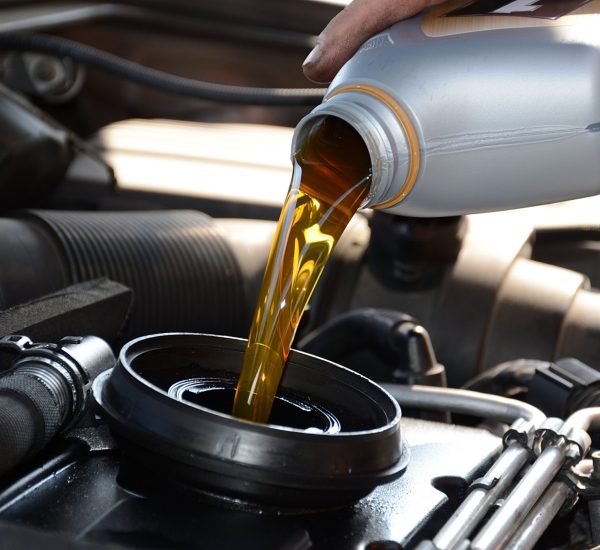
Low-ash oil matters because ash does not burn away like soot. Isuzu UTE Australia’s owner FAQ notes that Euro 5 engine oils must suit advanced after-treatment systems and meet listed API or ACEA grades with sulphated ash content at or below the stated limit in the relevant manual.
Fuel quality, air filter condition, injector health, and boost leaks matter too. A small air leak after the mass airflow sensor or a lazy injector can create extra soot, then the driver blames the filter for catching what the engine made. The filter becomes the messenger.
Good records help more than memory. Track oil type, fuel economy, warning lights, regeneration frequency, and the kind of driving done that week. A shop can read codes faster when your notes show the pattern before the scan tool does.
Choosing the Right Repair Path When Short Trips Win
Once the warning light arrives, the goal is to avoid turning a manageable soot load into a damaged filter. The right repair path depends on soot level, ash level, sensor accuracy, and engine condition. Throwing parts at the truck without diagnosis is how a simple problem becomes a wallet bruise.
When a forced regen makes sense
A forced regeneration can help when the filter is soot-loaded but not physically damaged, and when the engine has no active faults that would make the process unsafe. It should be done with the right scan tool, proper surroundings, and someone who understands exhaust heat.
Many American diesel shops already handle similar after-treatment systems on domestic pickups and commercial Isuzu trucks. Isuzu’s U.S. commercial lineup spans Class 3 to Class 7 trucks, while Isuzu’s global site lists pickup and SUV models as overseas products, so Dmax owners in America may need a shop comfortable with global diesel platforms as well as U.S. emissions logic.
The unexpected truth: a forced regen is not a cure-all. It is a controlled event that burns soot. It does not remove ash, repair a weak injector, fix a bad pressure sensor, or undo oil contamination.
When cleaning or replacement becomes the honest answer
Ash buildup needs physical cleaning because ash remains after soot burns. EPA guidance explains that DPFs also trap noncombustible material from oil and fuel additives, and cleaning may require removing the filter and using proper equipment.
A damaged filter needs a different conversation. Melted substrate, oil-soaked material, cracked internals, or repeated over-temperature events can push the repair beyond cleaning. At that point, paying for another forced regen only delays the bill.
A good shop should test before it sells. That means reading codes, checking differential pressure, inspecting sensor lines, reviewing soot and ash data when available, and looking for engine-side causes. The best repair is the one that stops the next clog, not the one that makes the current warning disappear.
Conclusion
Diesel ownership rewards the driver who pays attention before the dashboard starts shouting. A short-trip routine can make a strong truck look fragile, but the fault often sits in the gap between how the system was designed and how the truck is used. The fix starts with better habits: longer warm drives, correct oil, clean air, healthy injectors, and no habit of shutting the truck down mid-cycle.
The Diesel Particulate Filter is not a mystery box. It is a filter that needs the right conditions to clean itself, and it becomes costly when those conditions never arrive. If your Dmax spends most of its life on short routes, treat regeneration time as maintenance, not an inconvenience. Book a proper diagnostic check when warnings repeat, and build one longer drive into the week before soot turns into a repair order. Give the truck the heat it needs, and it will usually give you the reliability you bought it for.
Frequently Asked Questions
Why does an Isuzu Dmax DPF clog faster on short trips?
Short trips keep exhaust temperatures too low for clean regeneration. The filter still traps soot, but the truck may shut off before the burn cycle completes. Repeated short drives can stack soot faster than the system can remove it.
What are the first signs of DPF clogging symptoms in a Dmax?
Early signs include weaker acceleration, higher fuel use, warning lights, frequent fan operation, hot exhaust smell, and repeated regeneration attempts. A scan tool can confirm whether the filter, sensors, or engine-side faults are causing the issue.
Can highway driving clear an Isuzu Dmax DPF warning light?
A steady highway drive can help if soot loading is still within a safe range and no active faults block regeneration. It will not fix ash buildup, sensor failure, injector problems, oil contamination, or a damaged filter.
How long should I drive to help DPF regeneration problems?
Many active regeneration events need a longer steady drive, often around 20 to 30 minutes under suitable conditions. Follow the owner manual first, and do not keep driving hard if warning lights escalate or power drops.
Is forced regeneration safe for a clogged DPF?
Forced regeneration can be safe when done by a trained technician with the right scan tool and safe surroundings. It should not be attempted when the engine has unresolved faults, oil leaks, heavy soot overload, or signs of filter damage.
Does idling help short trip diesel issues?
Idling rarely helps because it usually creates low exhaust heat and can add soot. A warm, steady drive under light-to-moderate load is far more useful than leaving the truck running in the driveway.
Can wrong engine oil cause DPF clogging in an Isuzu Dmax?
Wrong oil can increase ash buildup, especially if it does not meet the after-treatment requirements in the owner manual. Ash does not burn away during normal regeneration, so the filter may need professional cleaning sooner.
Should I replace the DPF or clean it first?
Cleaning makes sense when the filter is ash-loaded but structurally healthy. Replacement becomes the honest route when the core is cracked, melted, oil-soaked, or repeatedly failing after proper diagnosis and engine-side repairs.