A healthy engine rarely asks for attention until neglect has already made the bill painful. You hear a rough start, smell heat after a drive, or notice fuel dropping faster than usual, and suddenly engine care stops feeling optional. Smart owners do not wait for warning lights to teach expensive lessons. They build small habits around listening, checking, cleaning, and responding early.
Pure Engine Point thinking starts with one simple belief: reliability is not luck. It is the result of repeated choices that keep heat, friction, dirt, and pressure under control before they become damage. Even small routines matter, especially when your car handles daily traffic, short trips, dust, rain, and sudden temperature shifts. For drivers, repair shops, and auto publishers building trusted resources through automotive visibility platforms, the strongest advice is often the plainest advice: protect the engine before it has to fight for itself.
Why Engine Care Starts Before Something Feels Wrong
Most drivers treat the engine like a sealed box that either works or fails. That mindset costs money. A better approach sees the engine as a working system that gives hints long before it breaks. The first layer of reliable ownership is not advanced skill; it is attention. You do not need to become a mechanic to notice change. You need to stop ignoring the clues your car already gives you.
How engine maintenance ideas prevent silent wear
Good engine maintenance ideas begin with routine observation, not a shopping list. A car that starts cleanly, idles evenly, and responds without delay is telling you something useful. When that pattern changes, even slightly, the change deserves attention. A lazy start on a warm morning can point toward battery strain, fuel delivery trouble, or oil that no longer protects the way it should.
Many owners wait until a noise becomes obvious, but engines rarely fail in one dramatic moment. Wear builds in layers. Oil loses strength, filters clog slowly, belts dry out, hoses soften, and sensors begin sending poor readings. None of these problems feels urgent at first, which is exactly why they become expensive later.
A practical example is the driver who only checks oil before a long trip. That sounds reasonable, yet it misses the point. Oil level and oil condition should be part of normal ownership because daily heat cycles age oil whether the car travels far or not. Short trips can be harder on oil than highway miles because the engine may not stay hot long enough to burn away moisture.
Why a reliable car engine depends on small checks
A reliable car engine is often protected by actions that look almost too simple to matter. Checking the driveway for spots, listening during cold starts, watching the temperature gauge, and noticing exhaust smell can reveal trouble before a scan tool is needed. The work is not glamorous. That is why it works.
The counterintuitive truth is that many big repairs begin as tiny habits missed for months. A loose gas cap can trigger a warning. A dirty air filter can dull response. A weak coolant mix can punish the engine during traffic. Each one feels minor alone, but engines do not care about excuses. They respond to conditions.
Drivers who keep cars longer usually develop a quiet feel for what is normal. They know how the engine sounds after sitting overnight. They know how the accelerator feels when merging. They notice when the cabin heat takes longer to arrive. That familiarity turns ordinary driving into an early-warning system.
Building Daily Habits That Protect Performance
Once you accept that early attention matters, the next step is turning that attention into behavior you can repeat. Random care does not protect much. A strong routine removes guesswork and gives the engine steady support through every season. The goal is not to inspect everything every day. The goal is to catch the right things at the right time.
Which vehicle care tips matter during normal driving?
Useful vehicle care tips should fit real life, not some perfect garage routine. Before a busy week, open the hood and look for obvious changes: cracked belts, loose caps, wet spots, low fluid levels, or dust buildup around seals. This takes less time than buying coffee, yet it can save you from driving straight into preventable trouble.
Temperature behavior deserves respect. If your gauge climbs in slow traffic but drops on open roads, that pattern may point toward cooling fan issues, low coolant, or a radiator problem. Waiting until steam appears is a poor strategy because overheating can damage gaskets, heads, and internal parts faster than many owners expect.
Fuel habits also matter more than people admit. Running near empty again and again can pull sediment toward the fuel system, especially in older vehicles. Filling up before the tank gets too low keeps the pump cooler and reduces stress. That is not superstition; it is mechanical sympathy.
How engine performance checks reveal deeper issues
Smart engine performance checks focus on changes in response. Hesitation, rough idle, poor acceleration, knocking, shaking, or sudden fuel use shifts all deserve attention. You do not need to diagnose the full cause on the spot. You need to recognize that the car has moved away from its baseline.
A rough idle after fueling can point toward poor fuel quality, air intake trouble, spark problems, or sensor issues. A drop in fuel economy can come from tire pressure, dirty filters, aging spark plugs, or dragging brakes. Engines sit inside a larger system, so one weak link can make the whole car feel tired.
Pure Engine Point care works best when you record patterns instead of guessing from memory. Write down when a symptom appears, whether the engine is hot or cold, what fuel you used, and whether the issue happens at idle, acceleration, or steady speed. A few notes can help a technician reach the right answer faster and avoid replacing parts blindly.
Fluids, Filters, And Heat Control Need Real Respect
Daily habits help you notice problems, but fluids and filters do much of the actual protection. They control heat, carry away dirt, reduce friction, and keep combustion clean enough for the engine to work without strain. Skipping them is like asking an athlete to run in bad shoes, drink dirty water, and never cool down. Something will give.
Why engine maintenance ideas must include clean fluids
Strong engine maintenance ideas always come back to fluids because fluids touch the parts that wear fastest. Engine oil coats moving metal, coolant manages heat, transmission fluid supports smooth power transfer, and brake fluid deals with pressure and moisture. Each fluid ages in a different way, but none lasts forever.
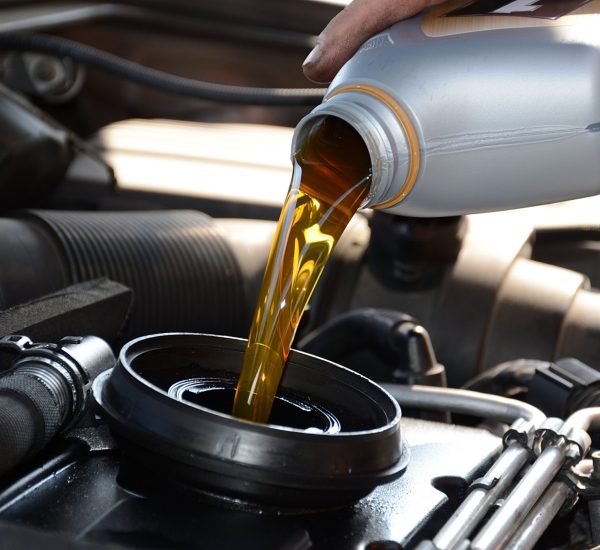
Oil deserves special attention because it works in a brutal place. It faces heat, pressure, fuel traces, soot, and metal particles. Fresh oil is not magic; it is a working film that keeps surfaces from grinding against each other. Once that film weakens, the engine may still run, but wear begins taking payment in silence.
Coolant is another misunderstood protector. Many owners think coolant only prevents overheating, but it also fights corrosion inside passages you cannot see. Old coolant can let rust and scale form, which reduces heat transfer and can restrict flow. A clean cooling system is not a luxury. It is survival for the engine in traffic.
When a reliable car engine needs better filtration
A reliable car engine breathes, burns, and circulates with help from filters. Air filters keep grit out of combustion. Oil filters catch particles before they revisit moving parts. Fuel filters, where fitted, help protect injectors and pumps. Cabin filters do not protect the engine directly, but a clogged one can still hint at the dusty environment your vehicle lives in.
The unexpected part is that a filter can look acceptable from one angle and still perform poorly. A dirty air filter may not stop the car from running, but it can reduce airflow enough to affect response and fuel use. The engine compensates until it cannot, and the driver often mistakes the dullness for age.
Filter quality matters too. Cheap parts can collapse, restrict flow, or fail to trap small particles well. Saving a little money on a poor filter can make no sense when the engine behind it costs thousands to repair. Buy parts that match the vehicle’s needs, not the lowest shelf price that happens to fit.
Turning Repair Anxiety Into Confident Ownership
Car care becomes easier when you stop treating every issue like a crisis. The right mindset is firm but calm: notice early, act with order, and avoid guessing. A driver who understands basic engine behavior makes better choices at the shop, avoids panic repairs, and keeps the car useful for longer. Confidence does not mean doing every repair yourself. It means knowing enough to ask better questions.
How vehicle care tips help you talk to mechanics
Good vehicle care tips also protect you during repair conversations. When you can describe symptoms clearly, you give the mechanic a better starting point. Say when the noise happens, what speed you were driving, whether the engine was cold, and whether any warning lights appeared. Details beat drama every time.
A vague complaint like “the car feels bad” forces the shop to spend time searching. A clear note like “the engine shakes for ten seconds after a cold start, then smooths out” narrows the field. That can reduce diagnostic time and lower the chance of parts being replaced without proof.
You should also ask for the reason behind a repair, not only the price. A trustworthy shop can explain what failed, why it matters, and what happens if you delay. You do not need a lecture. You need enough clarity to decide with confidence instead of fear.
Why engine performance checks should guide your next step
Regular engine performance checks help separate urgent problems from watch-list items. A flashing warning light, rising temperature, heavy knocking, or loss of oil pressure demands immediate action. A mild change in fuel use or a light vibration may still need attention, but it does not always mean disaster.
The hard part is resisting both extremes. Some drivers panic over every sound. Others ignore clear warnings because the car still moves. Both habits are expensive. The balanced approach listens, verifies, and acts in the right order.
A practical next-step resource can be simple: keep a one-page engine log in your glove box or phone. Track oil changes, coolant service, filter replacements, spark plug work, warning lights, unusual sounds, and fuel economy changes. That record becomes your car’s memory, and cars with memory are easier to care for.
Conclusion
Reliable ownership does not come from waiting for perfect conditions. Roads stay dusty, traffic stays hot, fuel quality varies, and parts age no matter how carefully you drive. The win comes from building a calm routine that catches stress before it turns into damage.
Pure Engine Point thinking gives you a cleaner way to look at engine care: protect the system, not only the part that failed last time. Check fluids before trips. Listen after cold starts. Replace filters before they choke performance. Treat heat like the enemy it is. Record changes instead of trusting memory.
The next step is simple and worth doing today. Open the hood, check the visible basics, write down your current mileage, and set your next service reminder before the car has to beg for attention. Engines reward the owners who pay attention early.
Frequently Asked Questions
What are the best engine maintenance ideas for daily drivers?
The best routine starts with oil checks, coolant awareness, clean filters, steady fuel habits, and listening for changes during starts and acceleration. Daily drivers face heat cycles, traffic, and short trips, so small checks matter more than occasional deep inspections.
How can vehicle care tips improve engine life?
Consistent habits reduce stress before parts fail. Checking fluids, replacing filters on time, keeping tires properly inflated, and responding early to warning lights all help the engine work under better conditions. Less strain usually means fewer costly surprises.
What engine performance checks should I do each month?
Watch fuel economy, idle smoothness, acceleration response, exhaust smell, temperature behavior, and unusual sounds. You should also look under the car for leaks and check whether the engine bay has new wet spots, cracked hoses, or loose caps.
How do I know if I have a reliable car engine?
A healthy engine starts cleanly, idles evenly, holds normal temperature, accelerates without hesitation, and does not burn excess oil or coolant. Service records also matter because a quiet engine with poor maintenance history can still hide future trouble.
Why does engine oil affect reliable engine care so much?
Oil reduces friction, carries heat, traps particles, and protects moving parts from direct metal contact. When oil ages or runs low, wear can increase long before the driver notices symptoms. Fresh, correct oil is one of the cheapest protections available.
Are short trips bad for engine maintenance?
Short trips can be hard on engines because the oil may not reach full working temperature long enough to clear moisture and fuel traces. Repeated short drives also increase cold-start wear, so regular oil service becomes even more important.
What signs show my engine needs attention soon?
Rough idle, slow starting, knocking, overheating, smoke, sudden fuel use changes, warning lights, or burning smells all deserve attention. A single symptom may have a simple cause, but ignoring it can turn a small repair into a major one.
How often should I review my engine care routine?
Review your routine every month and before long trips. Check mileage-based service needs, fluid levels, filter condition, and any new symptoms. A short review keeps maintenance organized and helps you act before problems become expensive.